Cologne carnival
As much a part of Cologne as the Cathedral and the Rhine
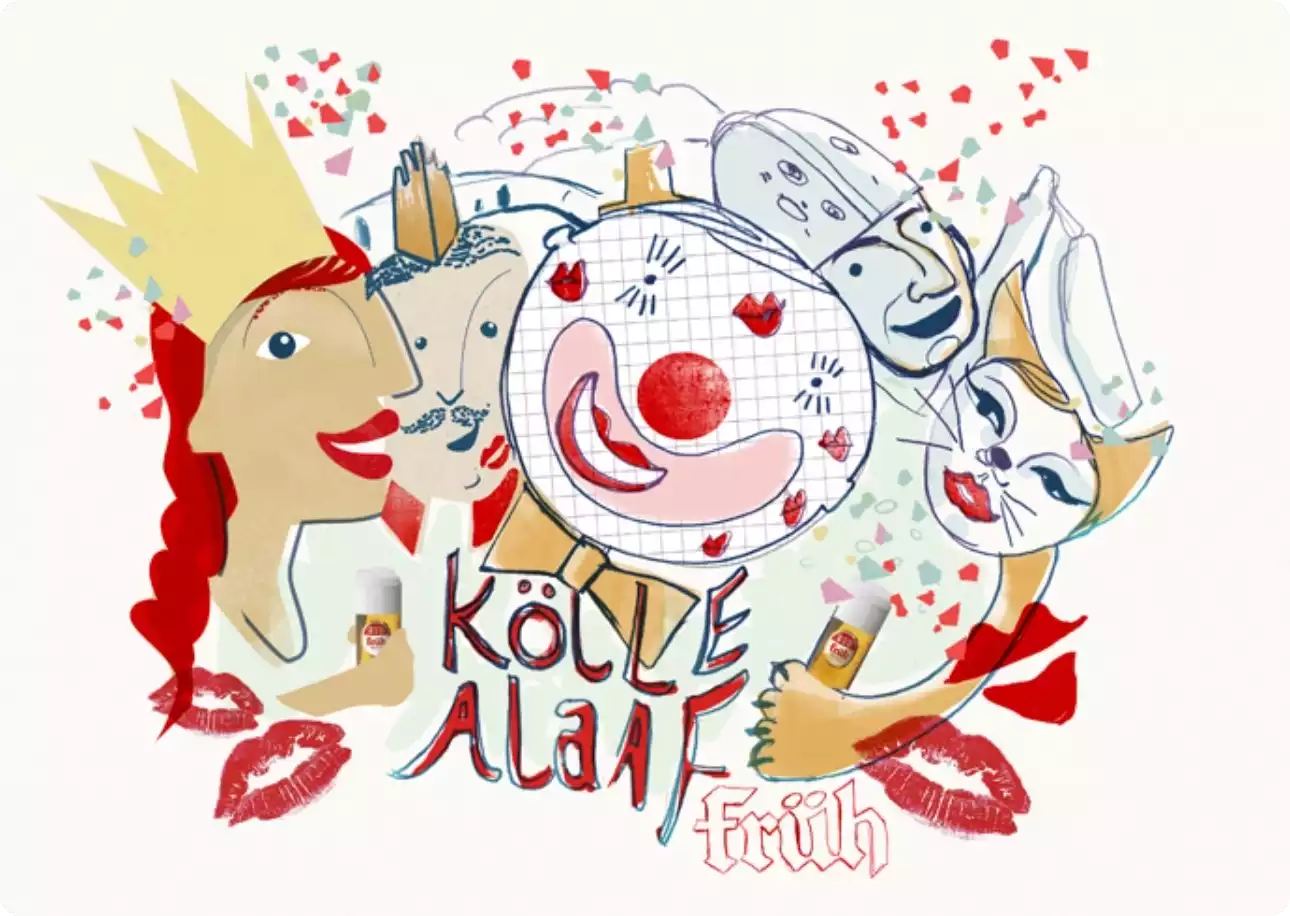
When carnival takes over, Cologne becomes a city like no other. Known locally as Fastelovend or Fasteleer, Cologne Carnival is one of the biggest Carnival celebrations in the world, and the city celebrates accordingly: loud, colourfull and full of life. The highlight is the Rosenmontagsumzug, a parade which attracts hunderds of thousands of visitors every year. The Carnival season, known as the Session, traditionally begins with the proclamation of the Dreigestirn, Cologne´s Carnival trio. The official celebrations then kick off in the Old Town on 11 November at exactly 11:11 am. Thousands of costumed Carnival fans, known as Jecke, gather to celebrate and welcome the Dreigestirn. The Prince, Peasant and Maiden are appointed each year and become the symbolic rulers of Cologne Carnival.
Between the proclamation and the start of street Carnival, the city hosts countless Carnival shows known as Sitzungen. These feature a colourful mix of dance groups, traditional Carnival corps, comedians and speakers, as well as Kölsch bands, all bringing the unique Carnival spirit of the Rhineland to the stage. Street Carnival begins on Weiberfastnacht, when women traditionally take over Cologne City and symbolically cut off men’s ties. From that moment on, the celebrations fill the pubs, brewhouses and streets of Cologne. On Sunday, the Schull un Veedelszöch bring school groups and neighbourhood associations through the city before the main event on Rose Monday. Germany’s largest Carnival parade features marching bands, walking groups and satirical floats along a route of around 8.5 kilometres. More than a million Carnival fans line the streets as almost 300 tonnes of sweets, known as Kamelle, flowers called Strüßjer, and other treats are thrown into the crowds. On the night before Ash Wednesday, the season comes to an end with the Nubbelverbrennung. The Nubbel, a straw figure, is publicly burned and symbolically blamed for all the excesses and sins of the Carnival season. And once the flames have died down, Cologne is already looking forward to the next Fastelovend.
You might also like
Cologne carnival
As much a part of Cologne as the Cathedral and the Rhine
When carnival takes over, Cologne becomes a city like no other. Known locally as Fastelovend or Fasteleer, Cologne Carnival is one of the biggest Carnival celebrations in the world, and the city celebrates accordingly: loud, colourfull and full of life. The highlight is the Rosenmontagsumzug, a parade which attracts hunderds of thousands of visitors every year. The Carnival season, known as the Session, traditionally begins with the proclamation of the Dreigestirn, Cologne´s Carnival trio. The official celebrations then kick off in the Old Town on 11 November at exactly 11:11 am. Thousands of costumed Carnival fans, known as Jecke, gather to celebrate and welcome the Dreigestirn. The Prince, Peasant and Maiden are appointed each year and become the symbolic rulers of Cologne Carnival.
Between the proclamation and the start of street Carnival, the city hosts countless Carnival shows known as Sitzungen. These feature a colourful mix of dance groups, traditional Carnival corps, comedians and speakers, as well as Kölsch bands, all bringing the unique Carnival spirit of the Rhineland to the stage. Street Carnival begins on Weiberfastnacht, when women traditionally take over Cologne City and symbolically cut off men’s ties. From that moment on, the celebrations fill the pubs, brewhouses and streets of Cologne. On Sunday, the Schull un Veedelszöch bring school groups and neighbourhood associations through the city before the main event on Rose Monday. Germany’s largest Carnival parade features marching bands, walking groups and satirical floats along a route of around 8.5 kilometres. More than a million Carnival fans line the streets as almost 300 tonnes of sweets, known as Kamelle, flowers called Strüßjer, and other treats are thrown into the crowds. On the night before Ash Wednesday, the season comes to an end with the Nubbelverbrennung. The Nubbel, a straw figure, is publicly burned and symbolically blamed for all the excesses and sins of the Carnival season. And once the flames have died down, Cologne is already looking forward to the next Fastelovend.