Cologne Dialect
A dialect with its own sound.
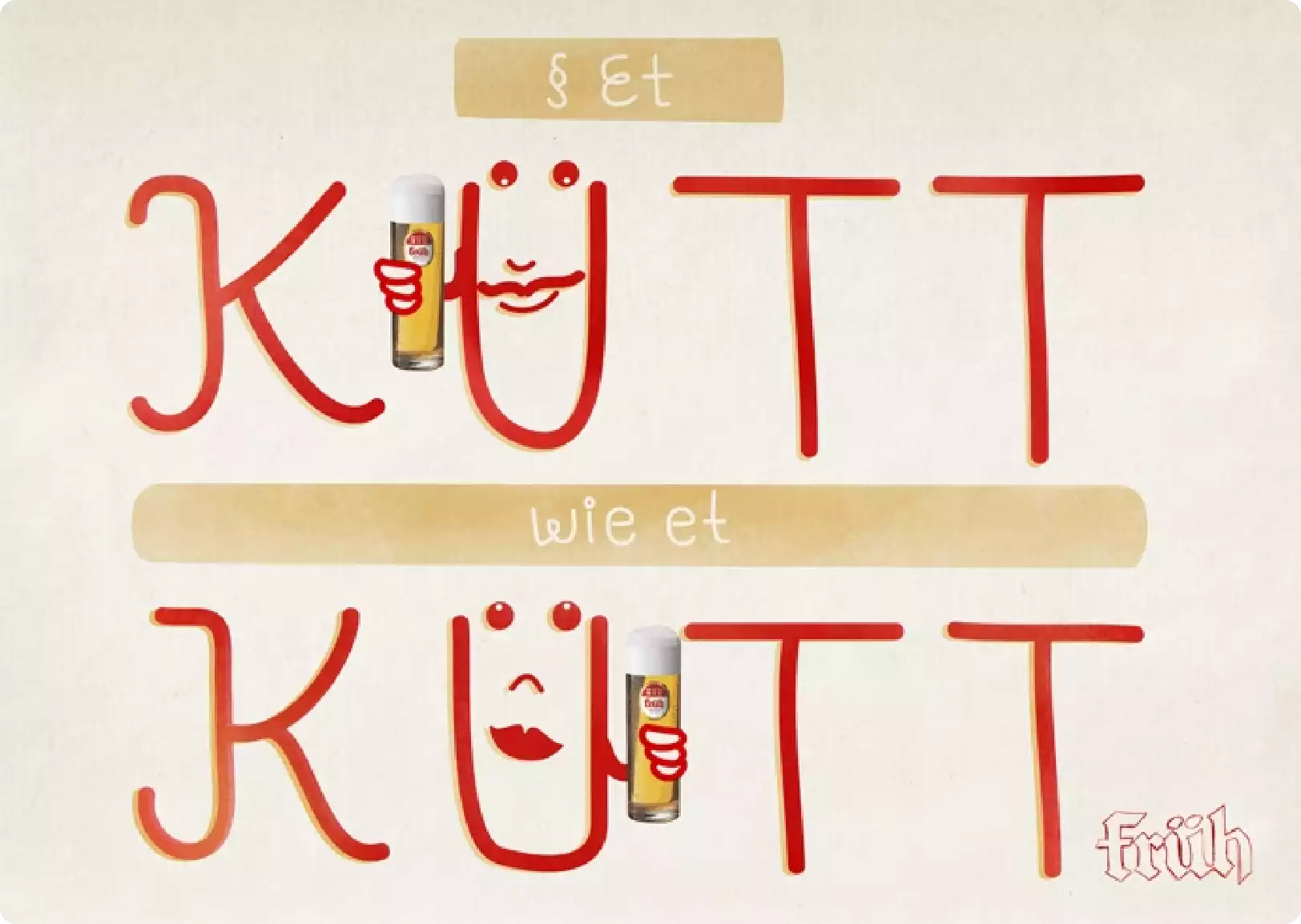
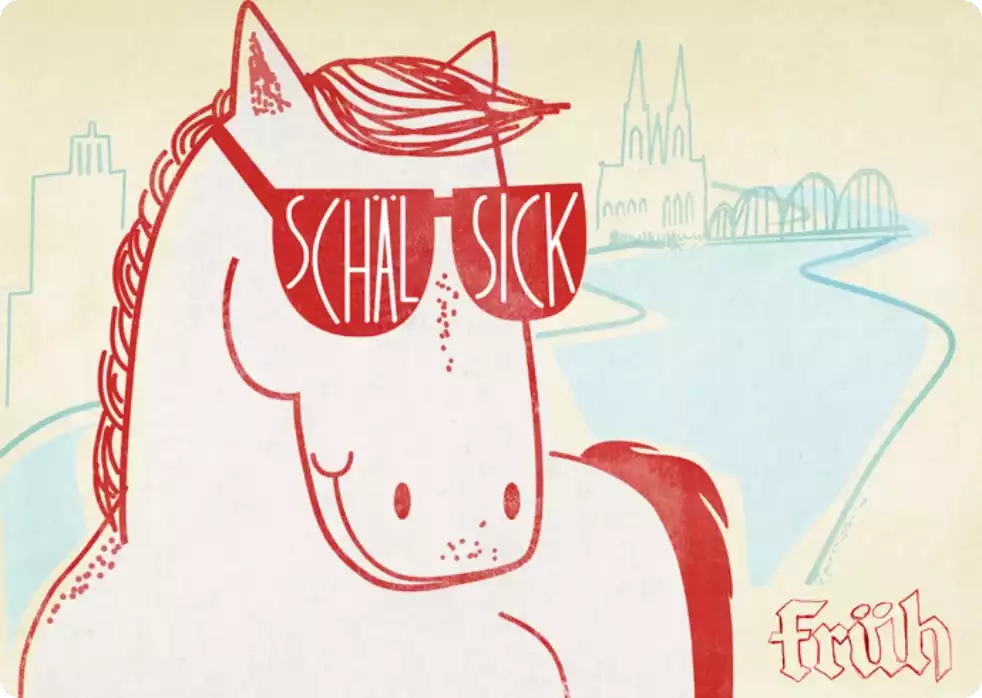
The Cologne dialect is still spoken by many people in the city today and remains an important part of Cologne culture. Although Kölsch has moved closer to standard German over the past few decades and only a small number of younger people still speak it fluently, the dialect is very much alive and can still be heard and seen throughout the city.
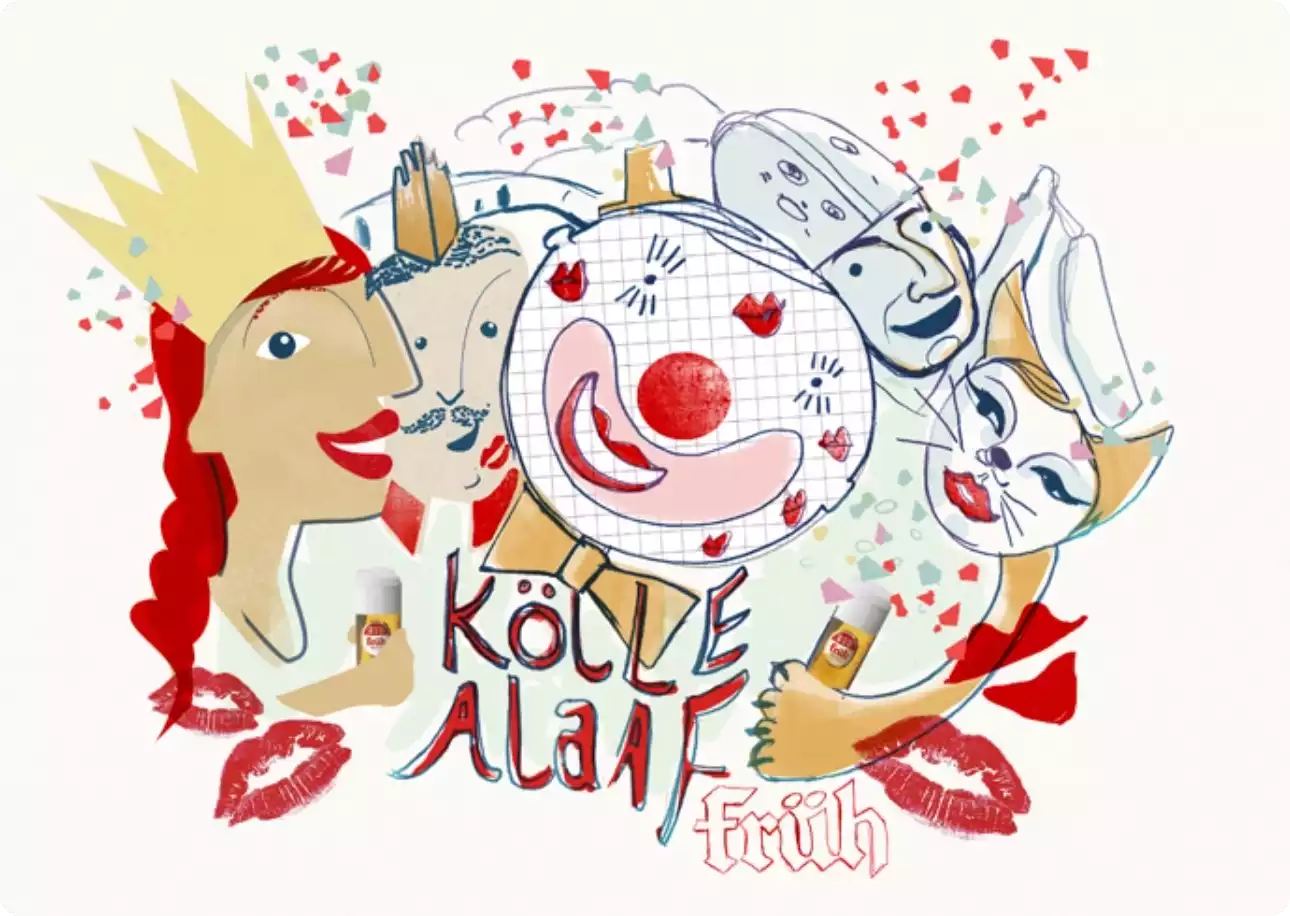
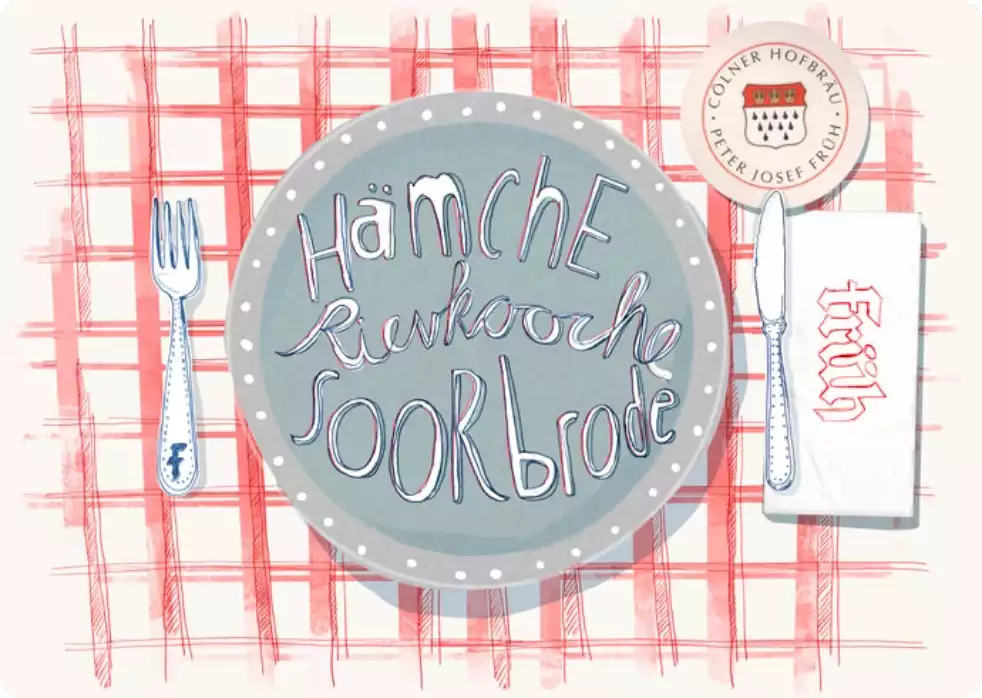
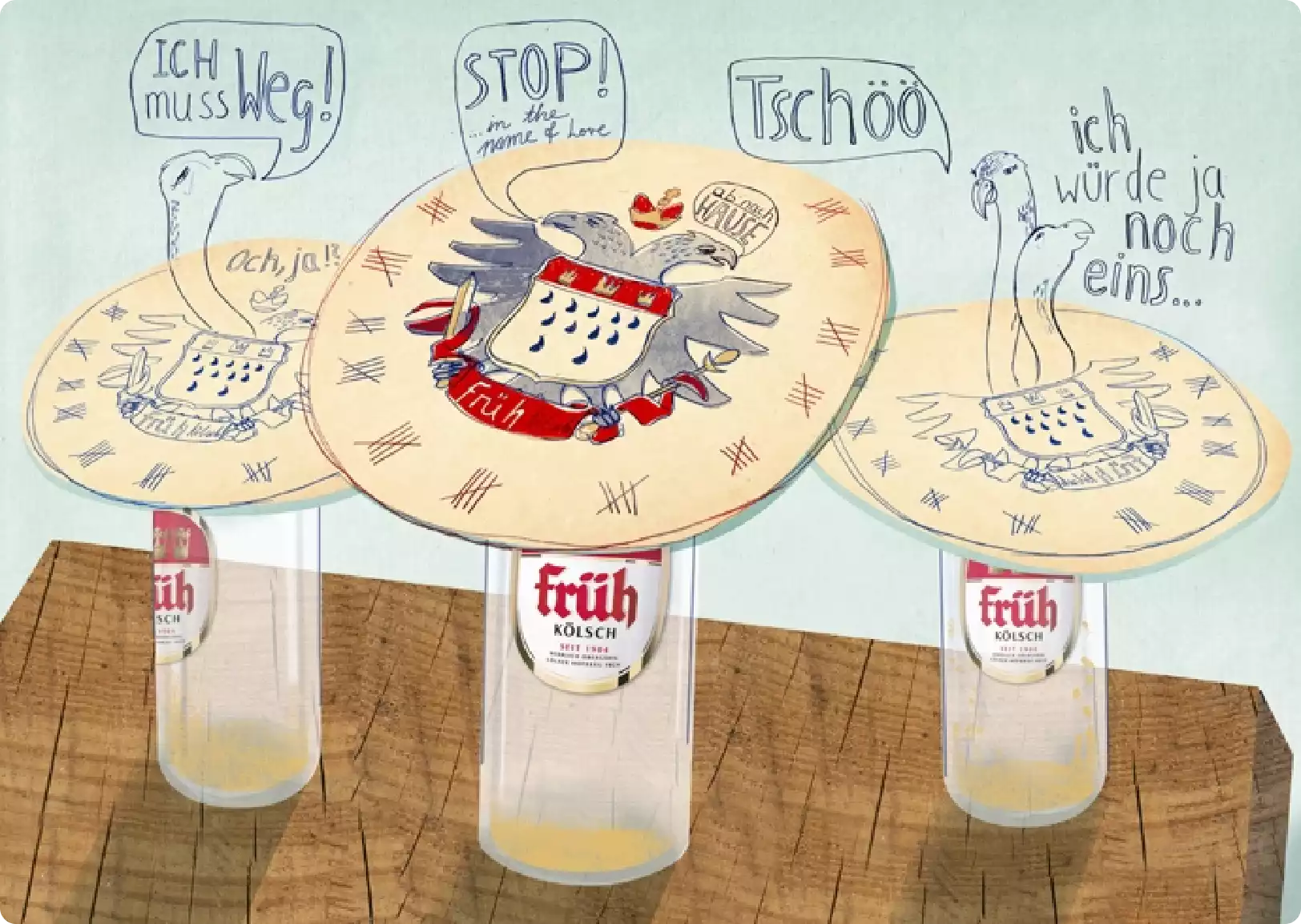
The original form of Kölsch, often referred to as Urkölsch, is now mainly spoken by older generations who have kept much of its traditional vocabulary alive. At the same time, Cologne continues to actively preserve and celebrate its dialect. You will find Kölsch in newspaper headlines, advertising, local names and many other parts of everyday city life. From Cologne Carnival and local theatre to Kölsch music and carnival groups, the dialect has a firm place in the city’s cultural scene. Bands such as BAP and Höhner have helped make Kölsch known throughout Germany and brought the dialect back into the spotlight in Cologne. The Akademie för uns kölsche Sproch is also dedicated to preserving the language. Its Kölsch dictionary provides translations as well as detailed information on grammar and written Kölsch.
You might also like
Cologne Dialect
A dialect with its own sound.
The Cologne dialect is still spoken by many people in the city today and remains an important part of Cologne culture. Although Kölsch has moved closer to standard German over the past few decades and only a small number of younger people still speak it fluently, the dialect is very much alive and can still be heard and seen throughout the city.
The original form of Kölsch, often referred to as Urkölsch, is now mainly spoken by older generations who have kept much of its traditional vocabulary alive. At the same time, Cologne continues to actively preserve and celebrate its dialect. You will find Kölsch in newspaper headlines, advertising, local names and many other parts of everyday city life. From Cologne Carnival and local theatre to Kölsch music and carnival groups, the dialect has a firm place in the city’s cultural scene. Bands such as BAP and Höhner have helped make Kölsch known throughout Germany and brought the dialect back into the spotlight in Cologne. The Akademie för uns kölsche Sproch is also dedicated to preserving the language. Its Kölsch dictionary provides translations as well as detailed information on grammar and written Kölsch.